




Yasaka Shrine Stone torii
From Yasaka 1646:5 seconds walk
Grilled broiled with special sauce.
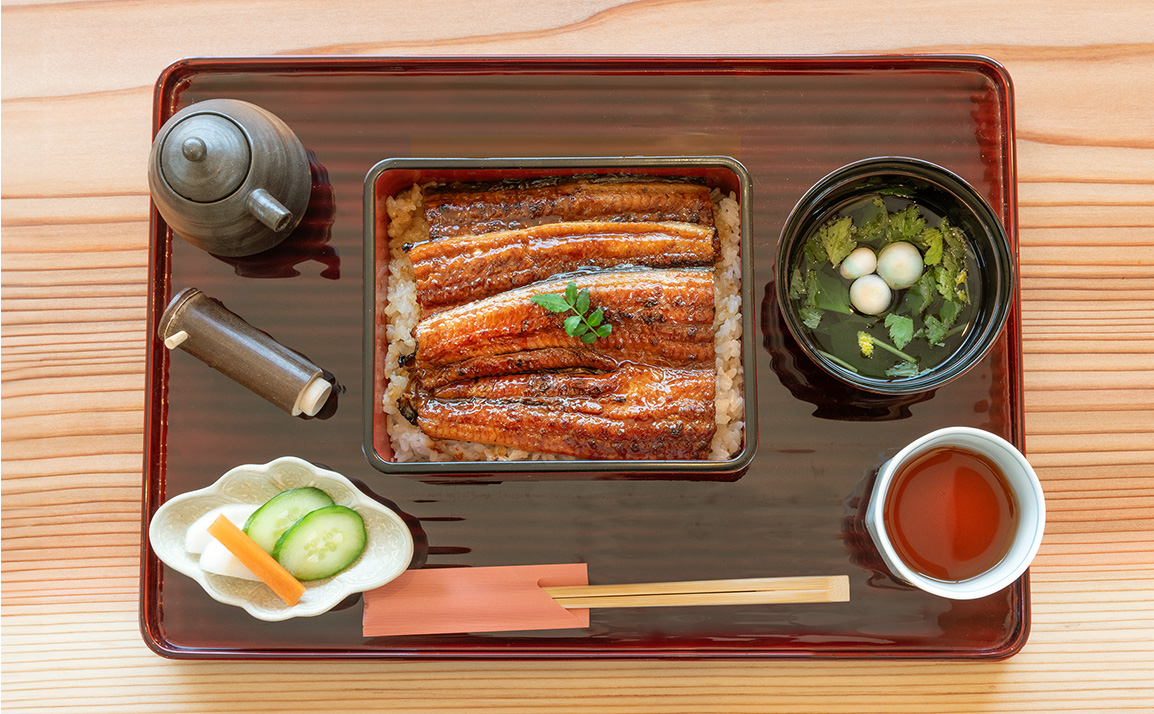
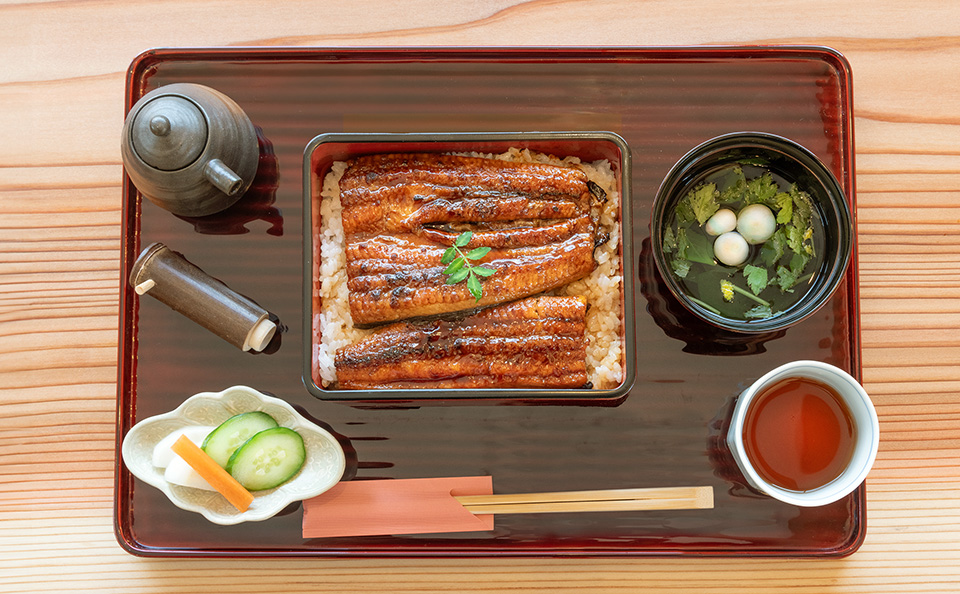

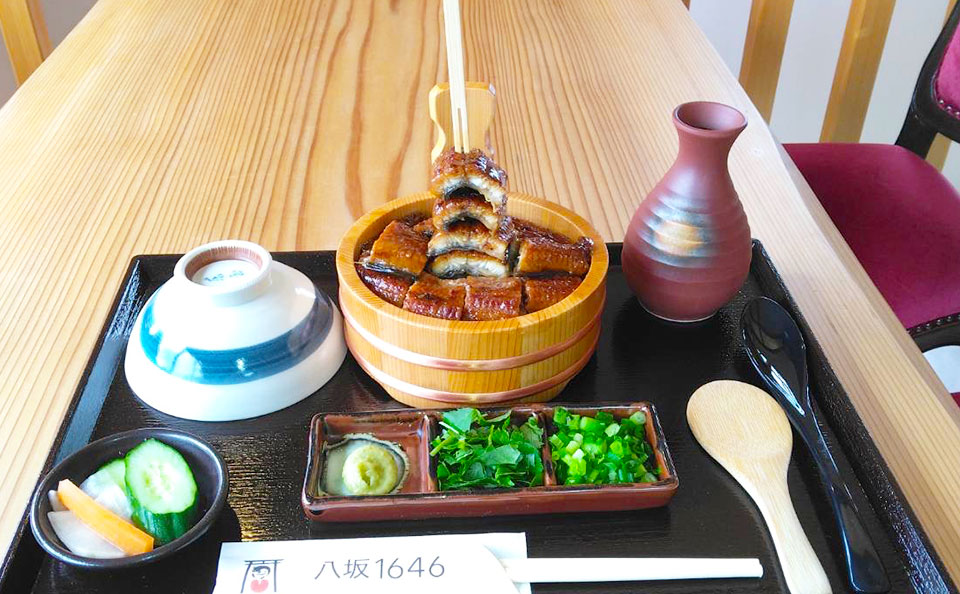
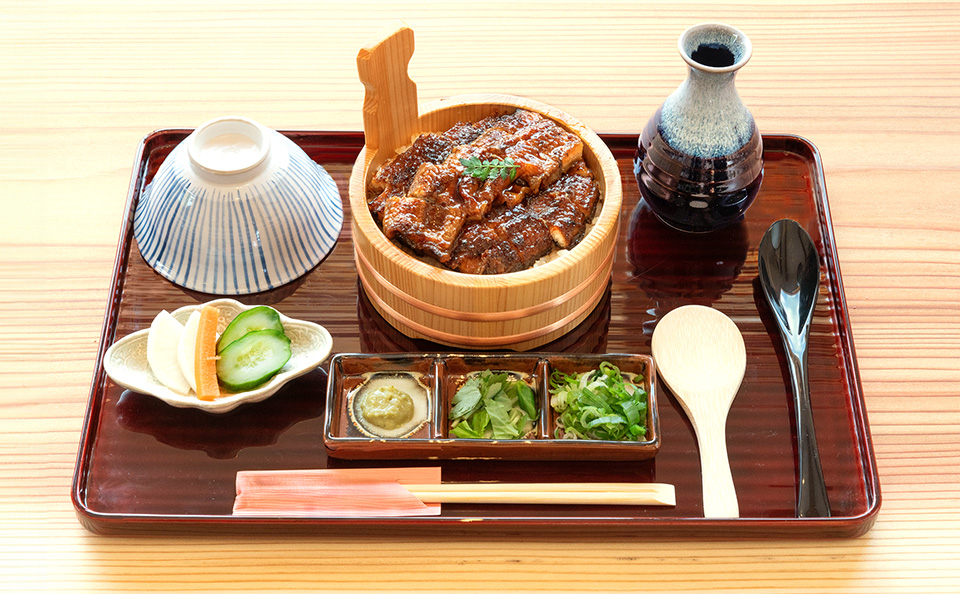
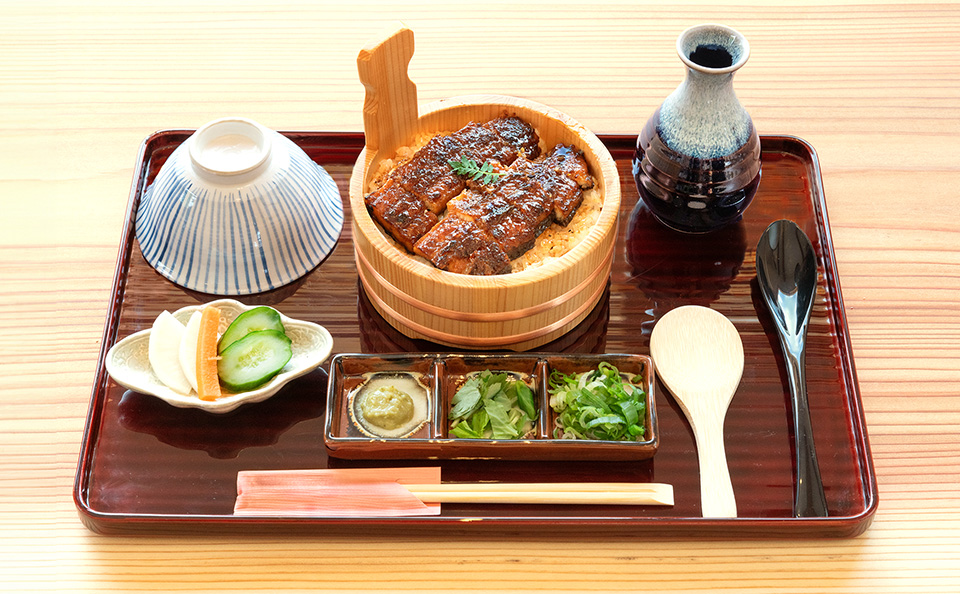
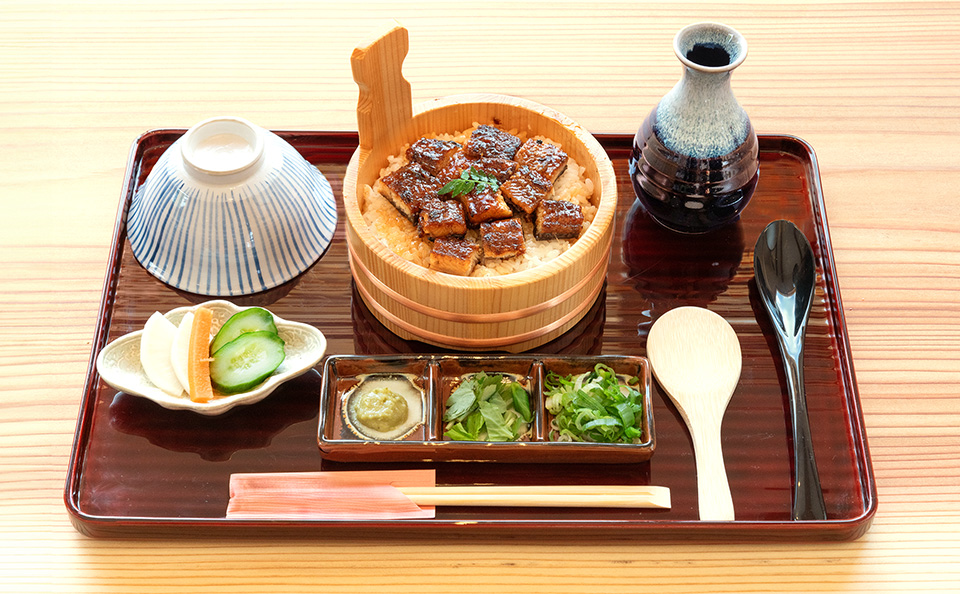
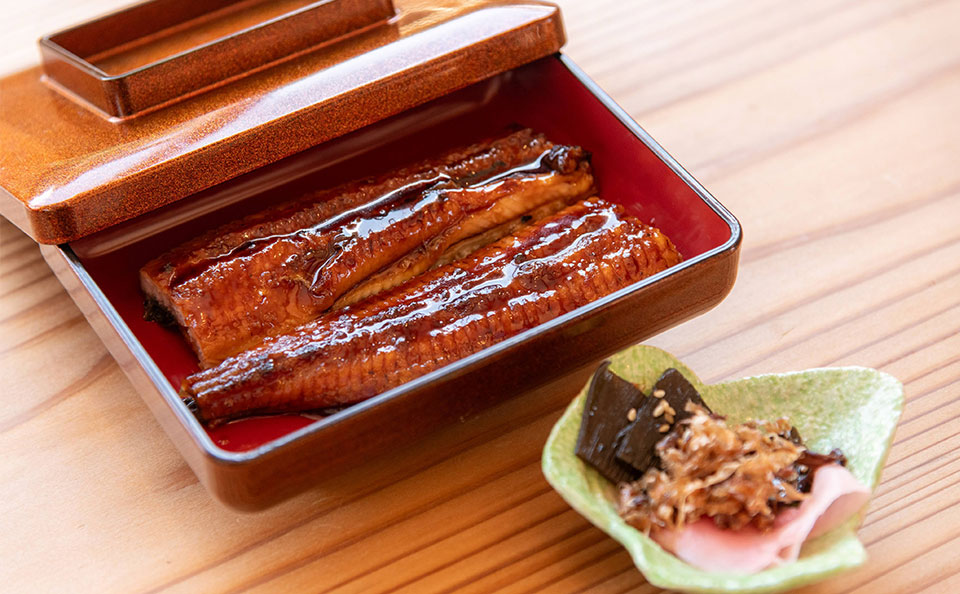
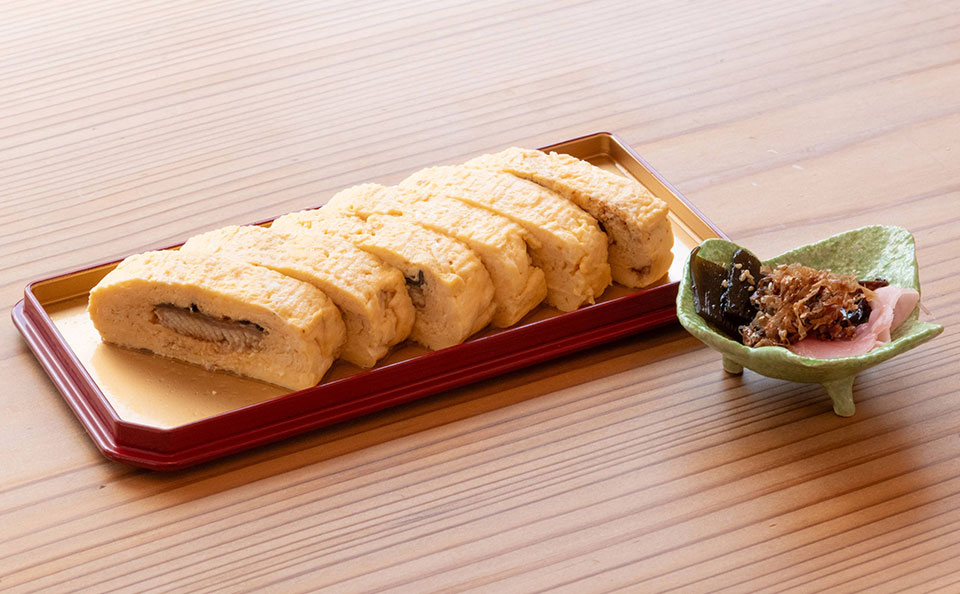
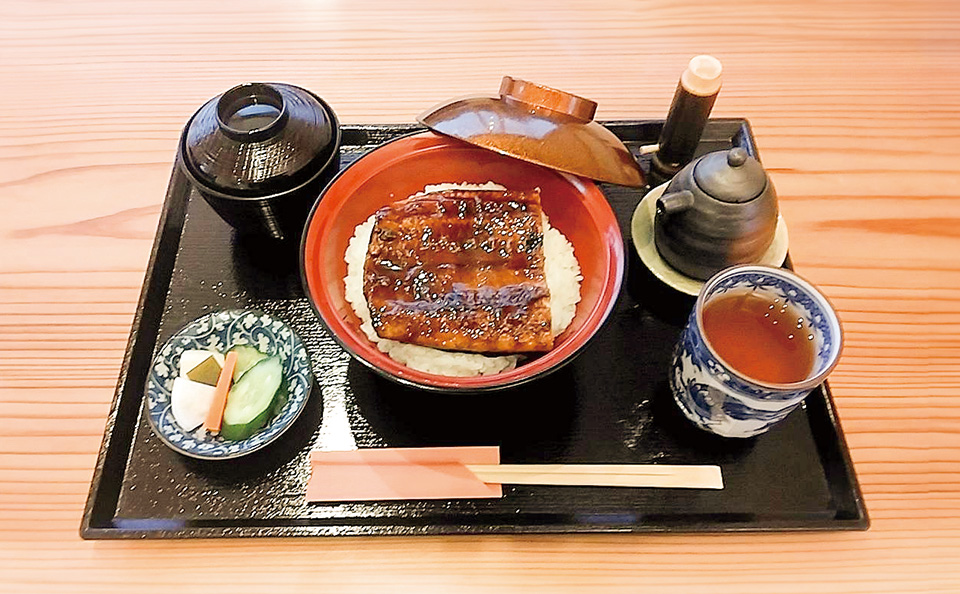
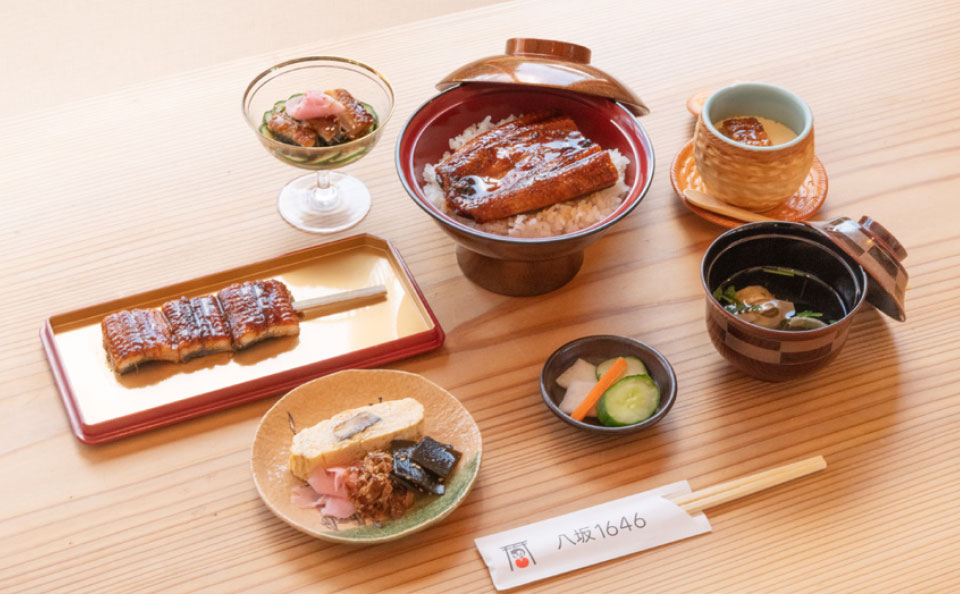

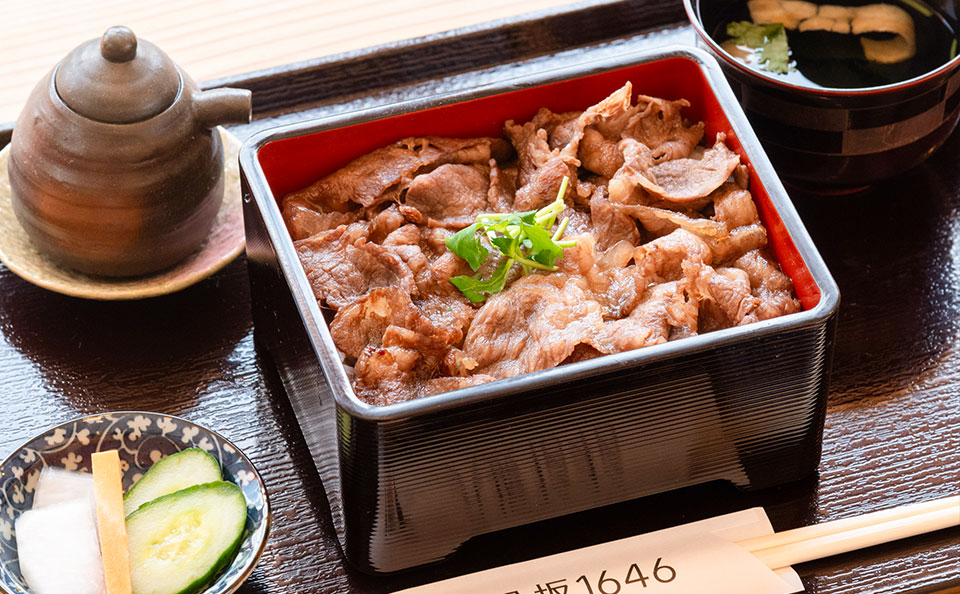




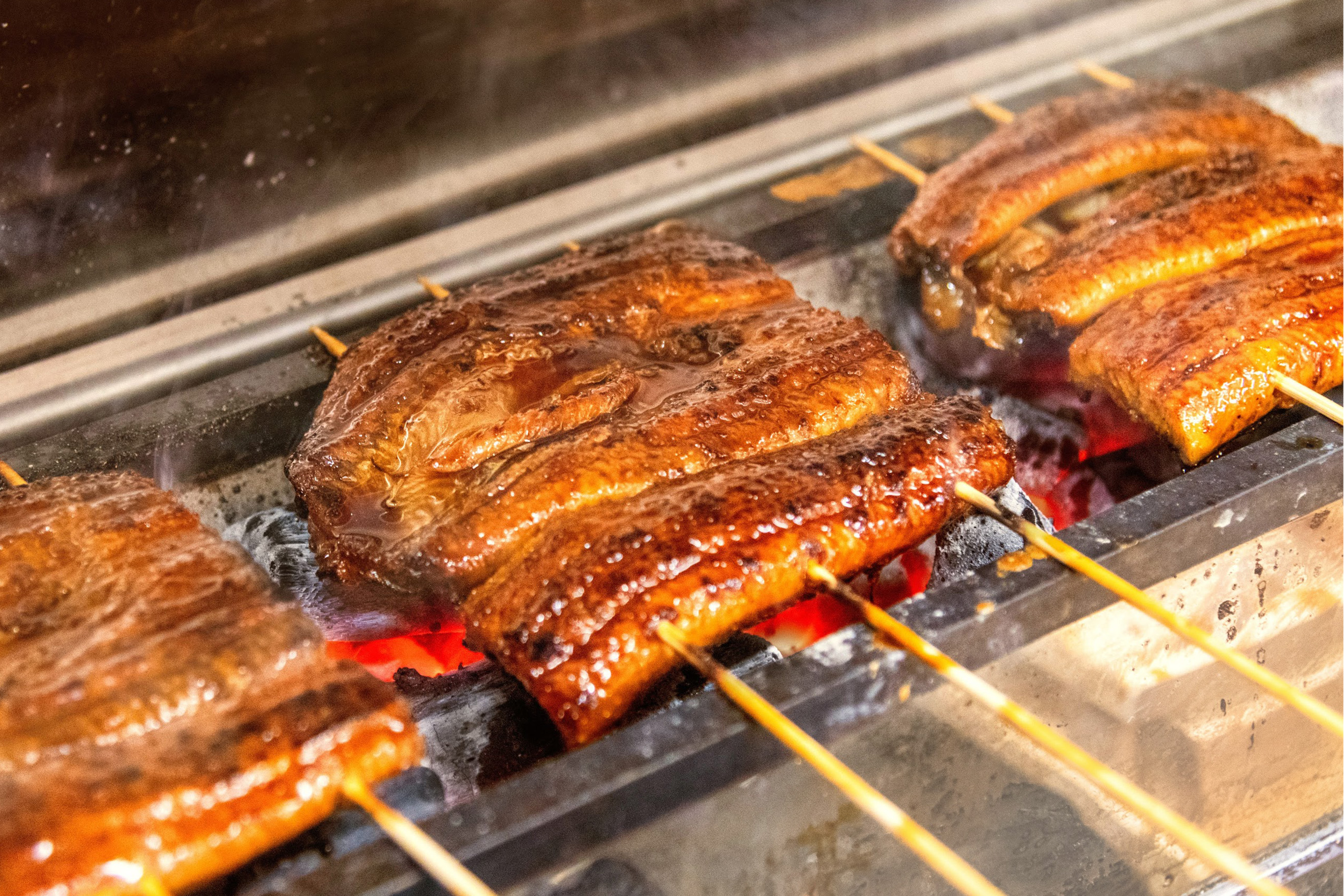
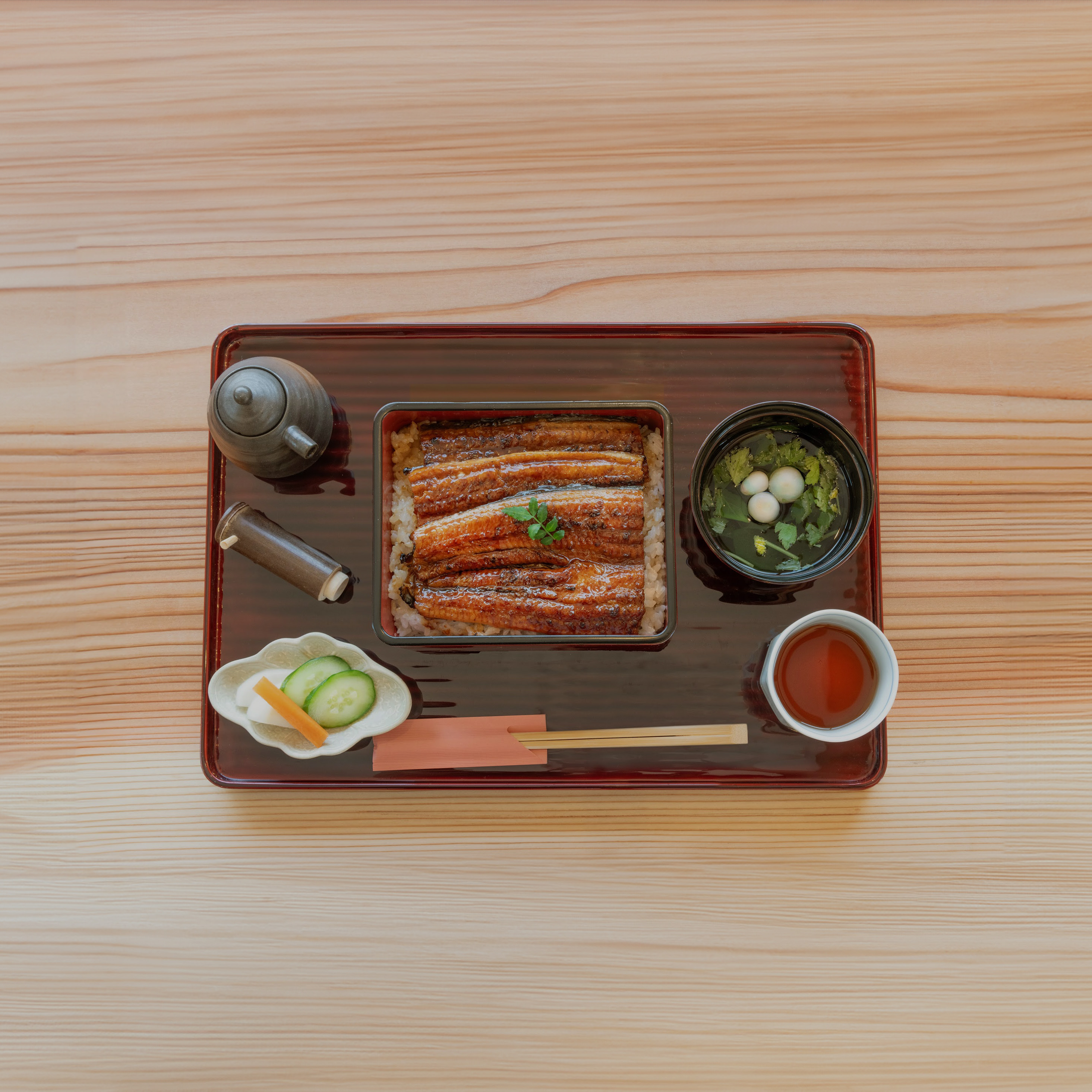
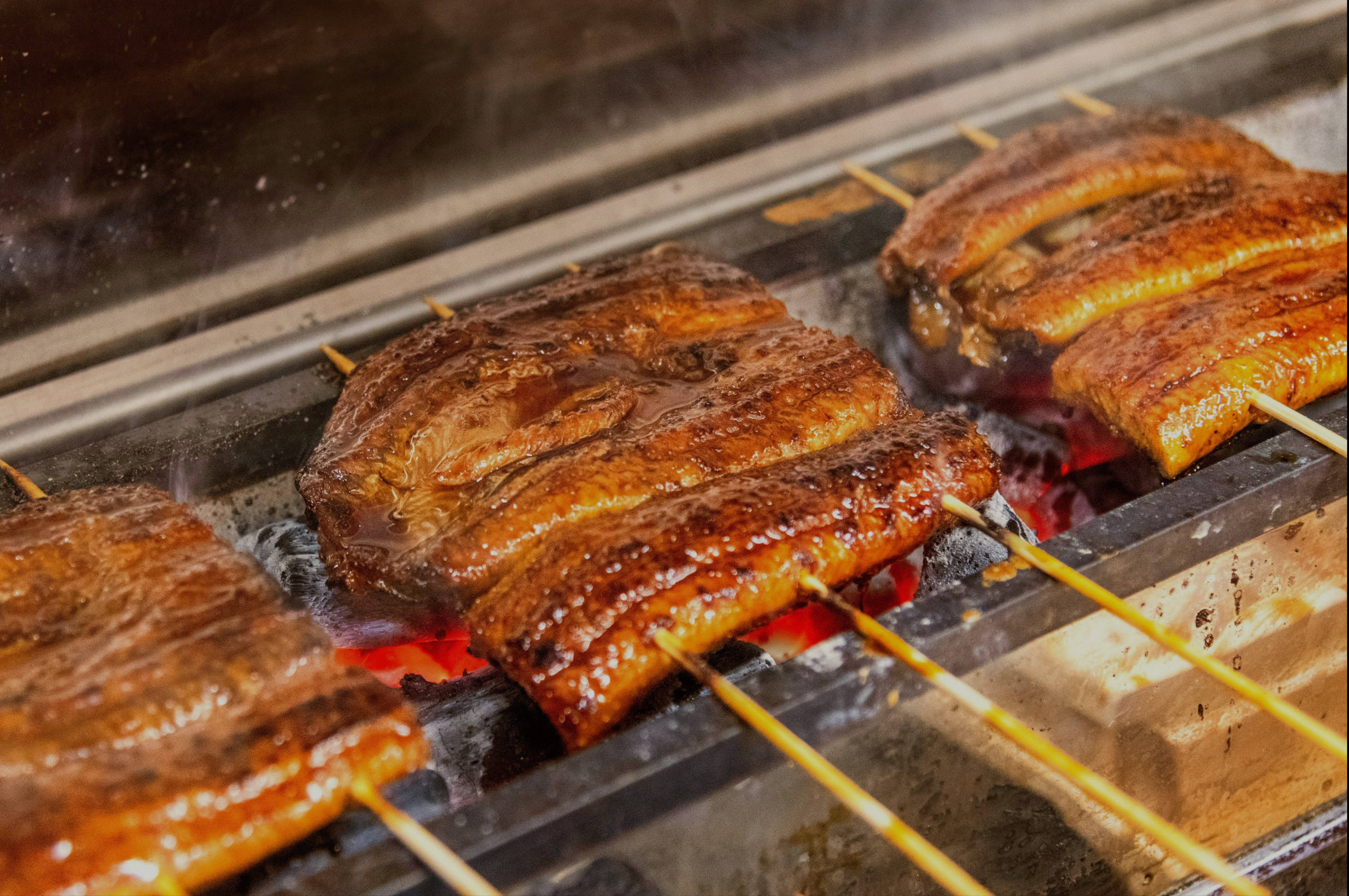
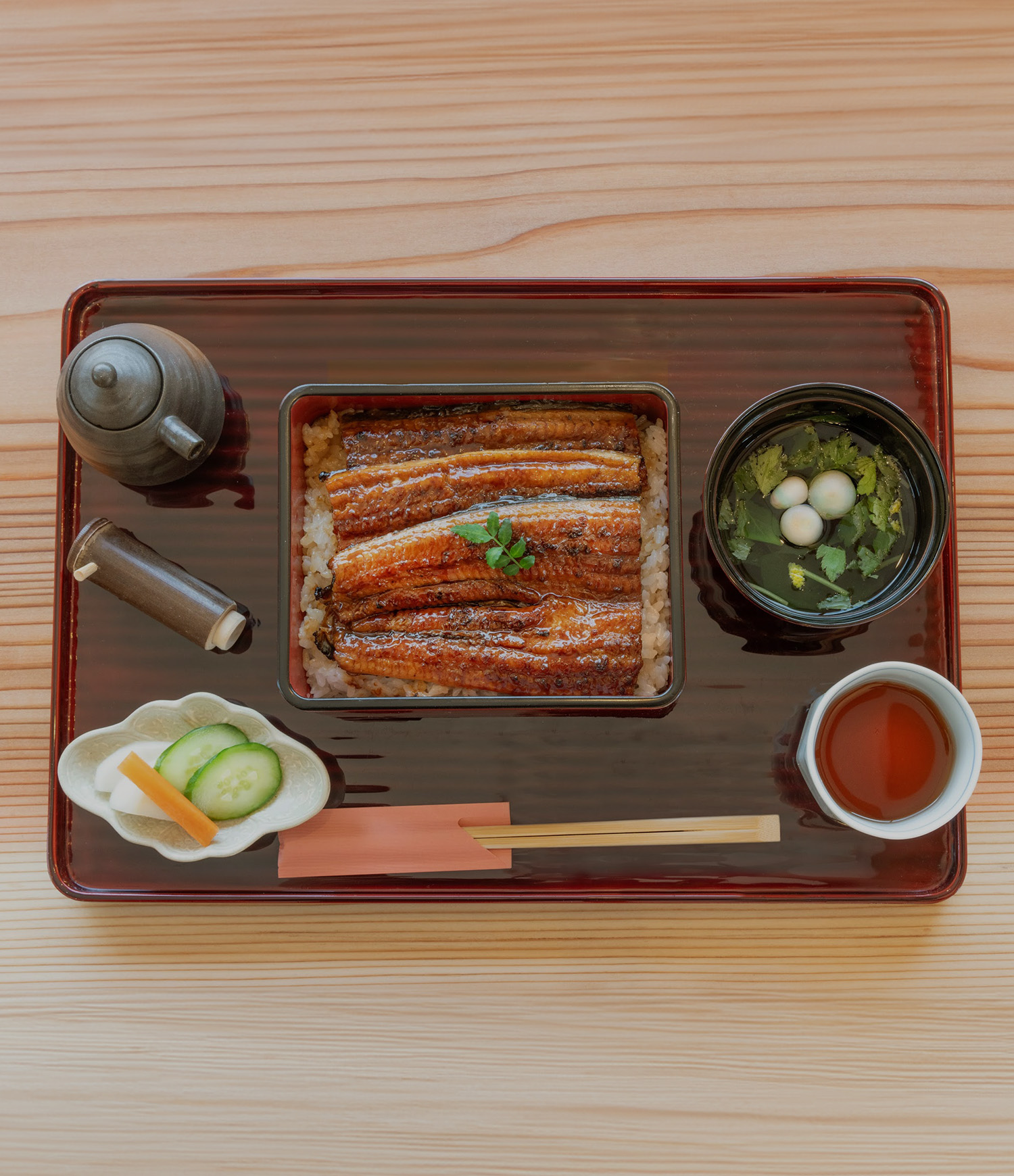
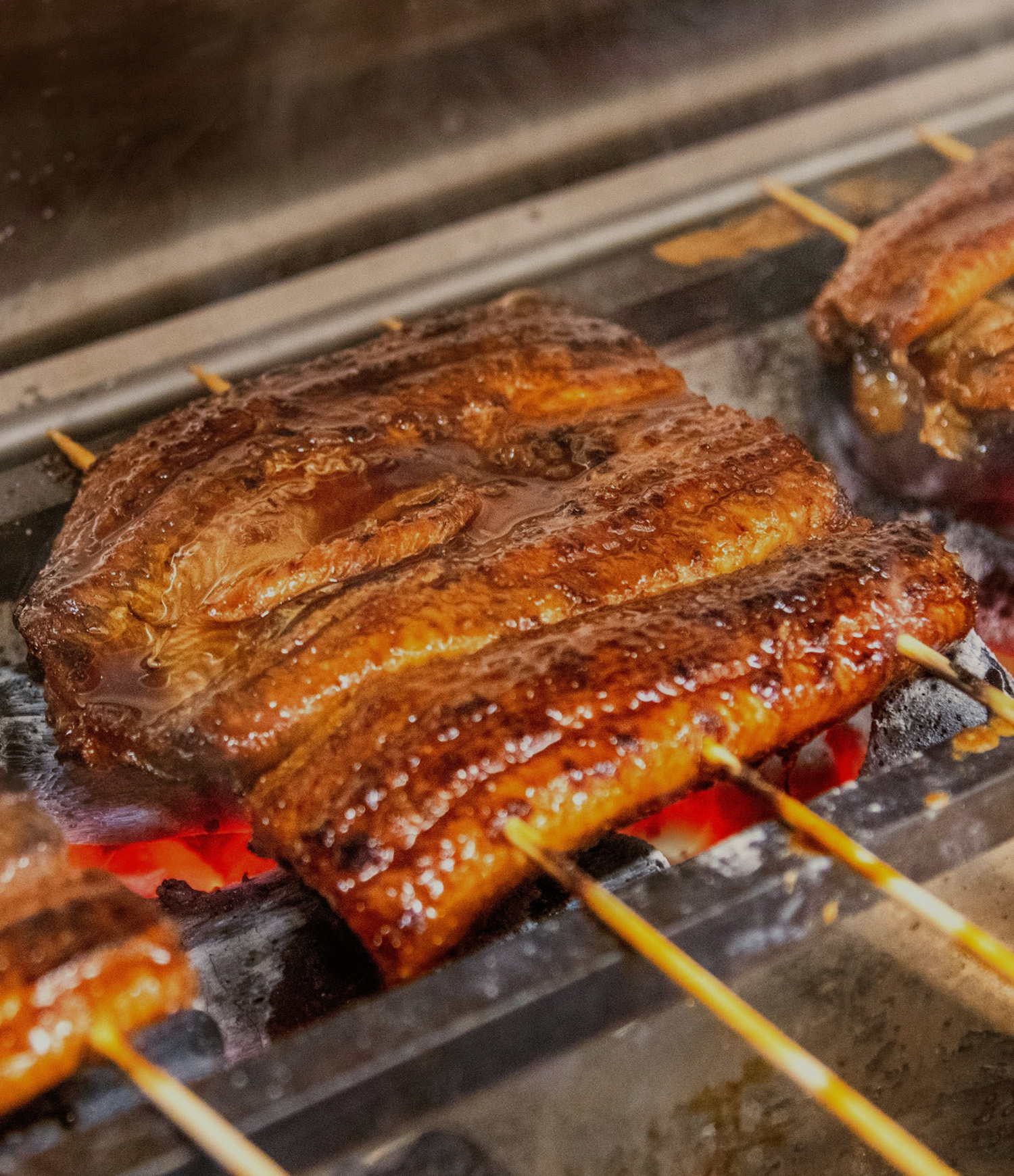
At Yasaka 1646, we serve thick eel from Miyazaki Prefecture, carefully grilled over charcoal with a special sauce that includes apple molasses.
The exquisite grilling brings out the premium aroma of the charcoal and a fluffy texture that you can enjoy.
With just one bite, you can savor the luxurious taste that gently falls apart in your mouth, a distinctive feature of domestic eel.
We use select rice, primarily Koshihikari from Kyoto’s Tango area, chosen for its specific origin. The mochi-like texture of the rice, combined with the rich sauce, maximizes the appeal of the eel.
Upon opening the box, the glossy eel and the fragrant aroma of the savory sauce are sure to stimulate your appetite, making it our restaurant’s proud specialty.

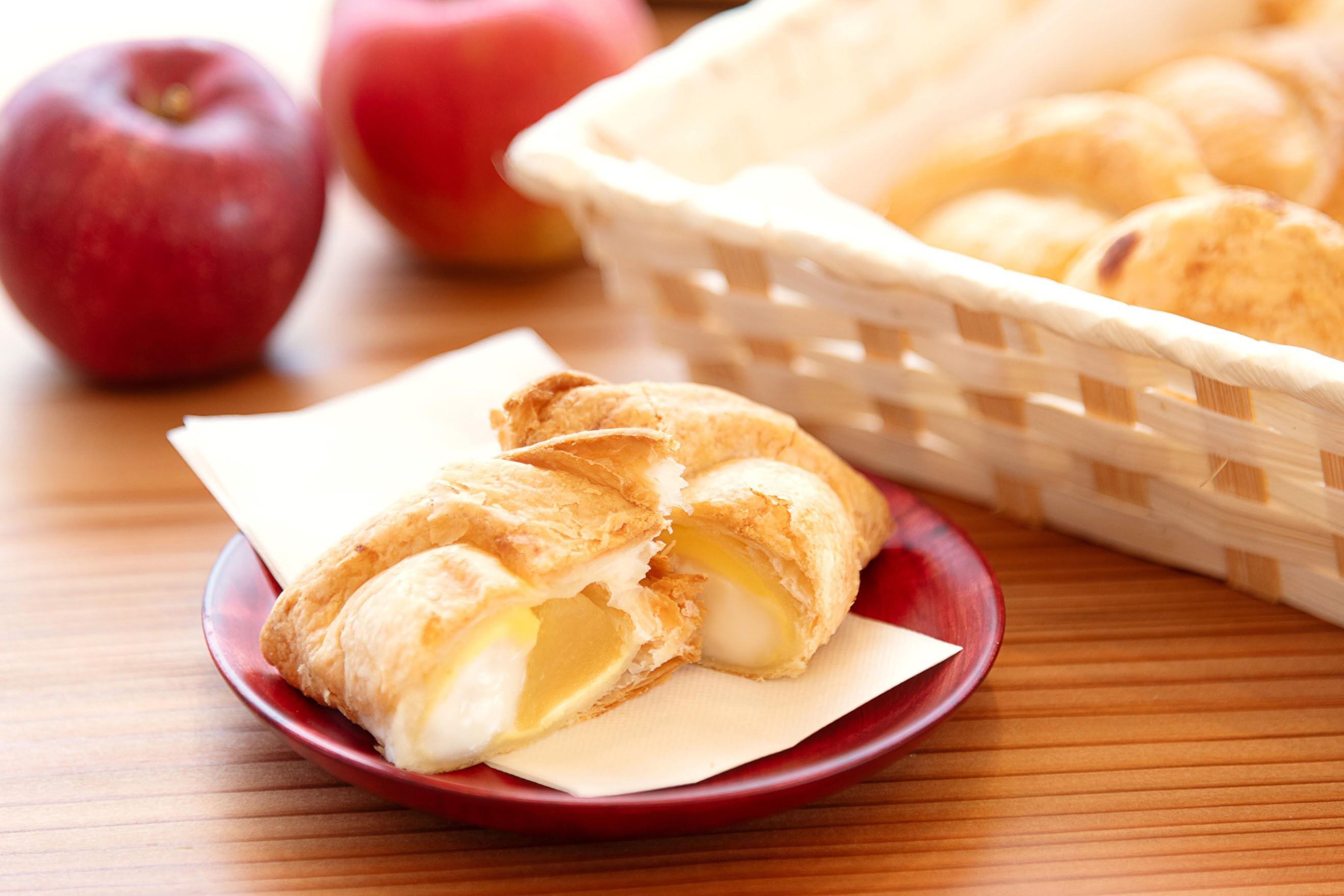
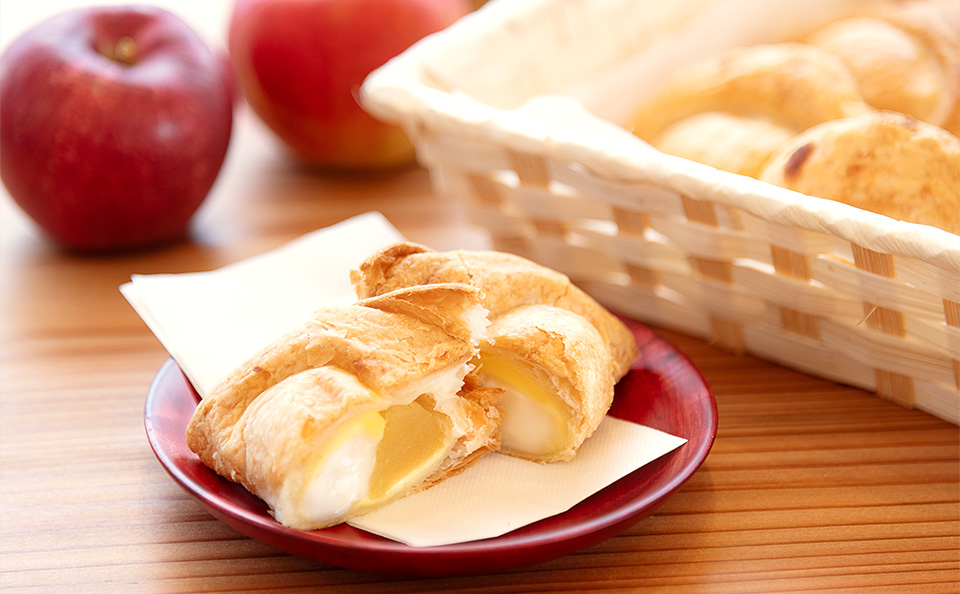
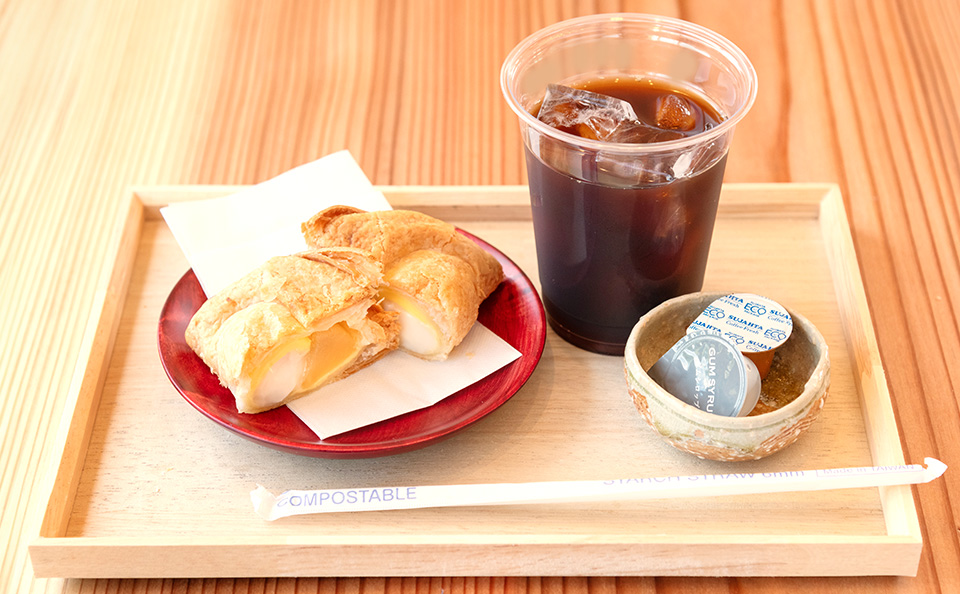
Chef Marco, who holds the title of the world’s best chef, makes his signature apple pie, which is the signature menu item at Yasaka 1646.
All apple pies are baked in the store and can be enjoyed freshly baked or even cold, making them ideal as souvenirs.
Please enjoy the sweet taste of large apples with the crispy texture of the dough.
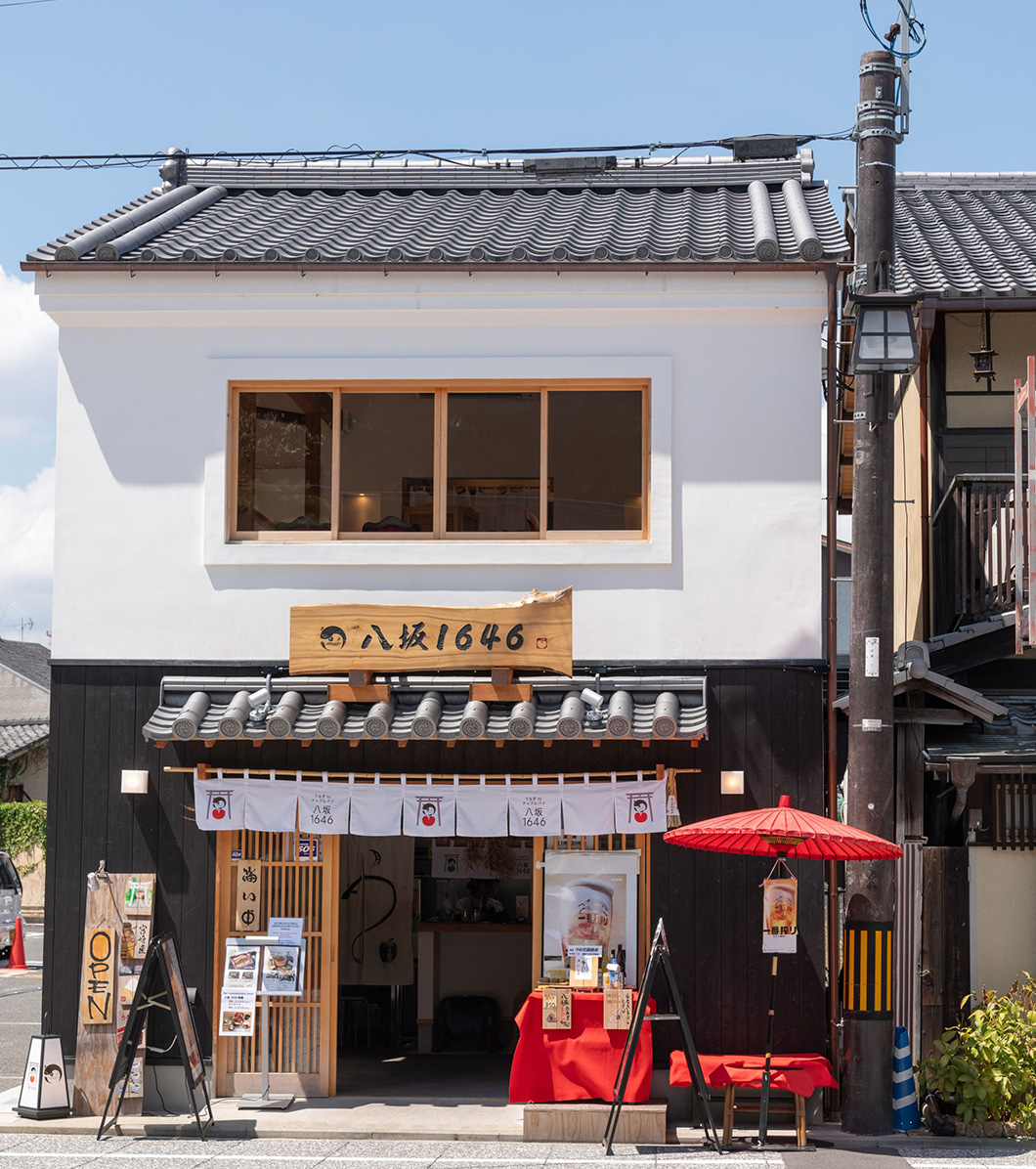
| Address | 506, Gion-cho South, Higashiyama-ku, Kyoto-shi, Kyoto ※Coin-operated parking is available behind the store. |
|---|---|
| Access | Approx. 12 min. walk from Exit 6 of Gion-Shijo Station on the Keihan Main Line |
| Phone | 075-741-8827 |
| Business Hours | 11:00 - 20:00 (Food L.O. 19:30, Drink L.O. 19:30) |
| Regular closing day | Tuesday |
| Payments supported |  |
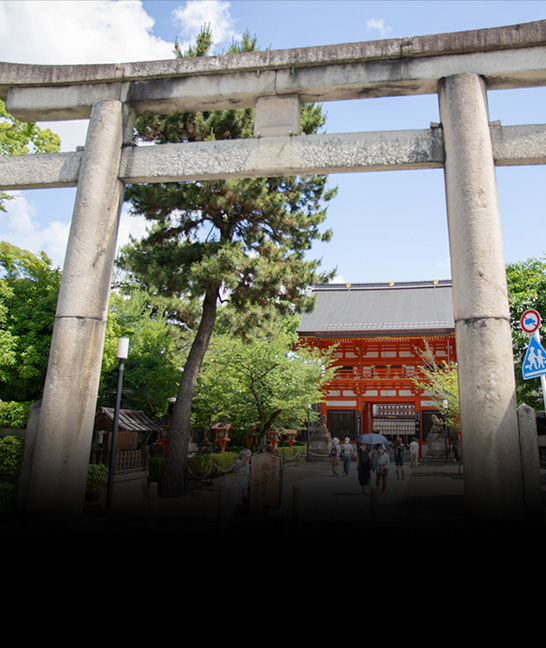
From Yasaka 1646:5 seconds walk
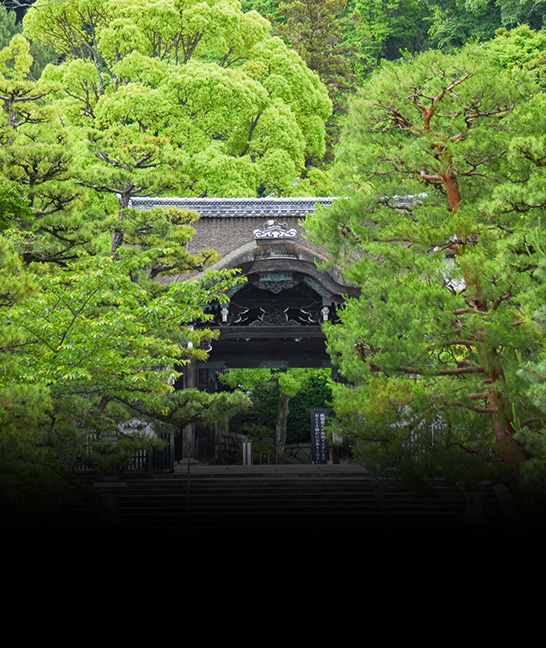
From Yasaka 1646:3 seconds walk
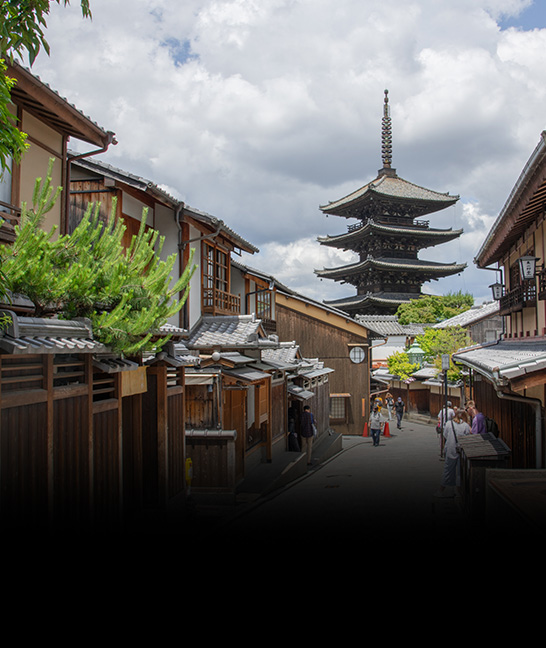
From Yasaka 1646:10 minutes walk
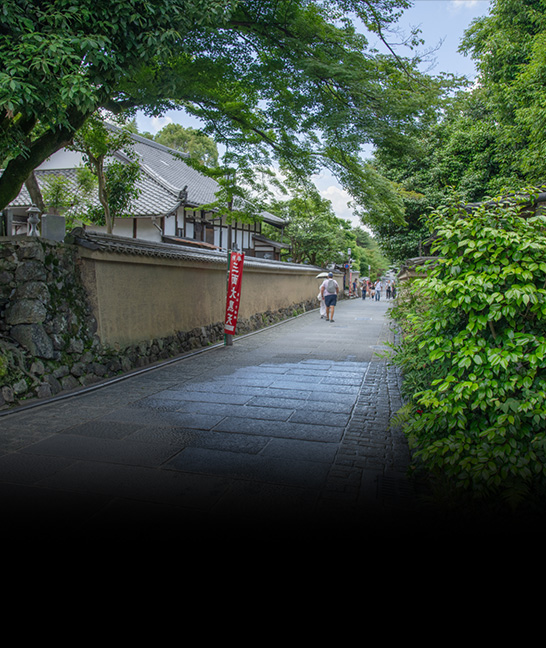
From Yasaka 1646:5 minutes walk
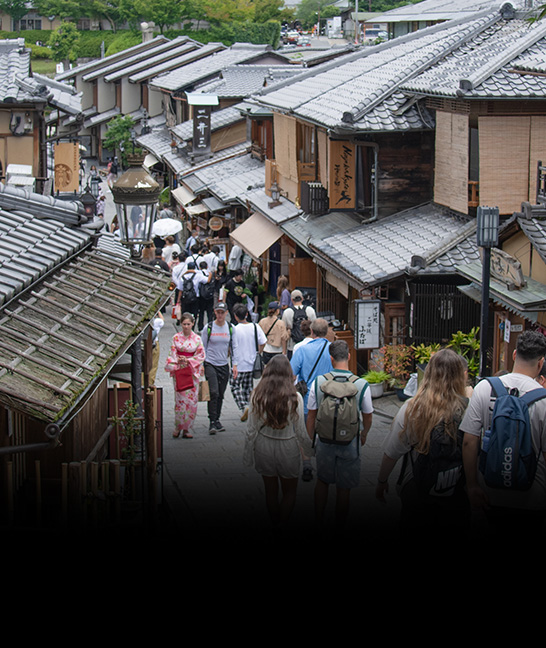
From Yasaka 1646:15 minutes walk
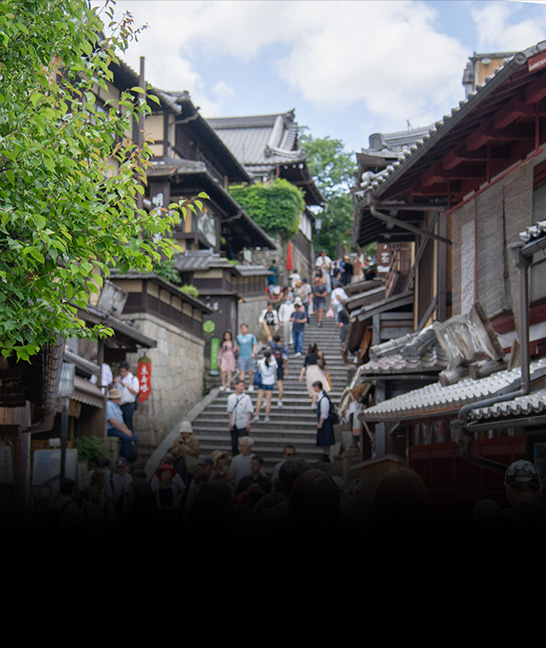
From Yasaka 1646:20 minutes walk
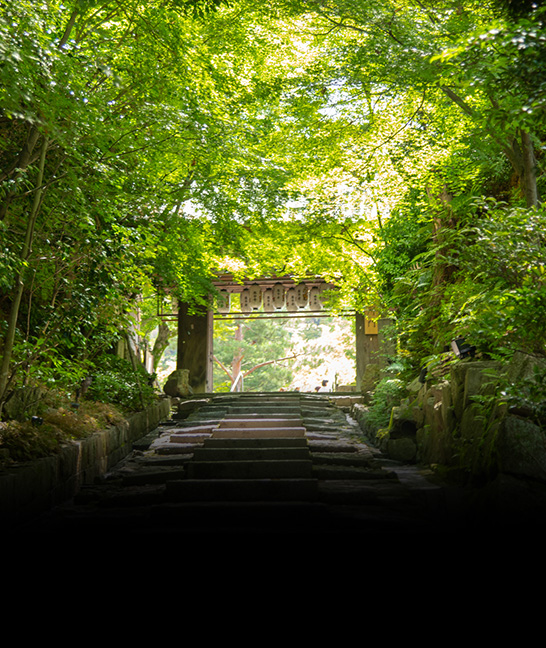
From Yasaka 1646:15 minutes walk
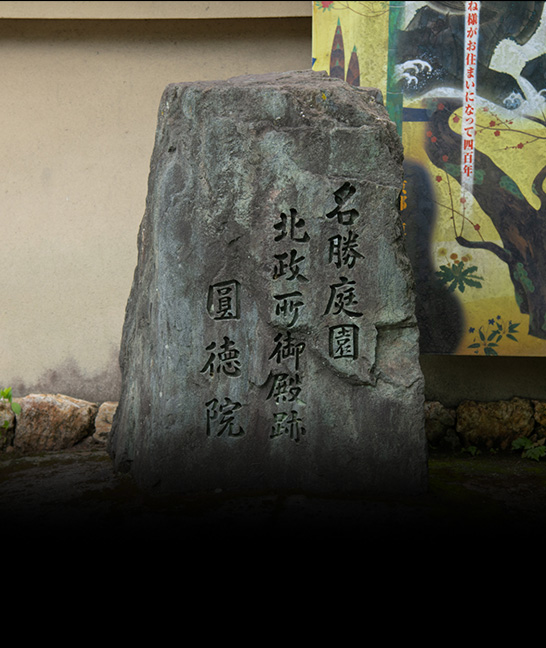
From Yasaka 1646:10 minutes walk
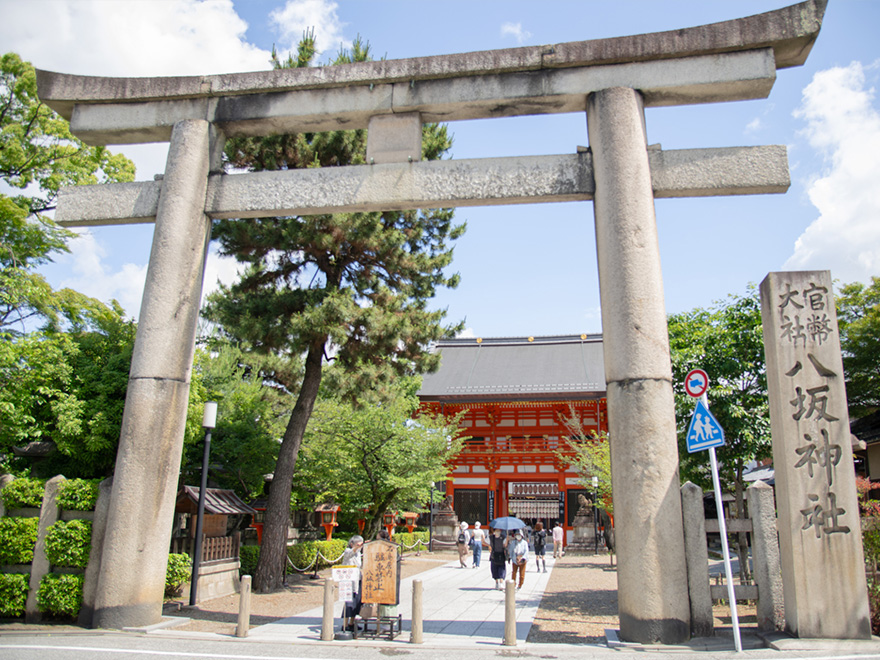
Important Cultural Property.
The stone torii gate designated as a National Important Cultural Property is located south of the South Gate. It was originally erected in the third year of the Shōhō era (1646), but collapsed in an earthquake in the second year of the Kanbun era (1662). It was repaired and reconstructed four years later in the sixth year of the Kanbun era (1666) as a Myōjin torii gate.
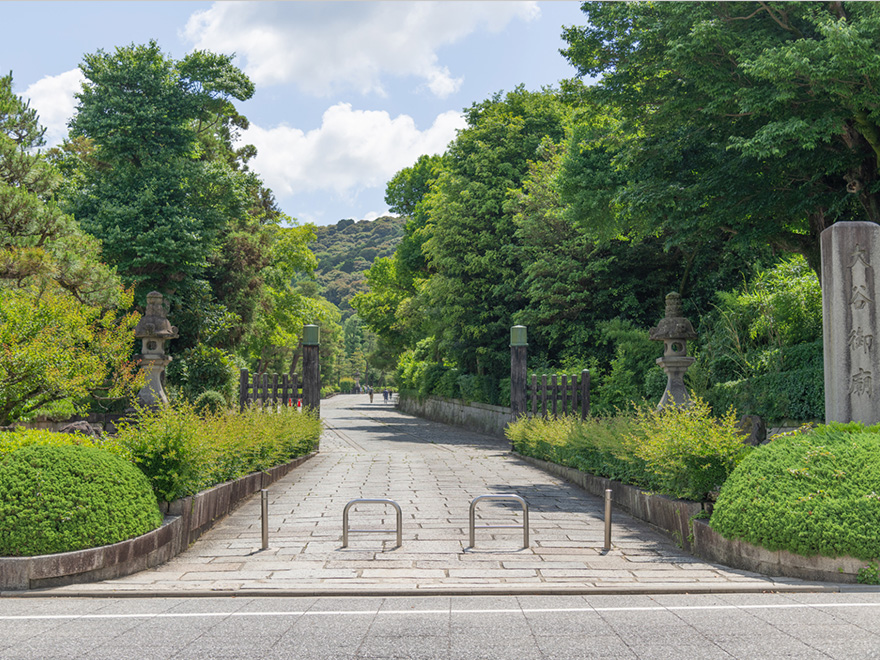
This is the tomb of Shinran Shonin, the founder of the Jodo Shinshu sect. Many visitors come to the "Main Hall" and the "Mausoleum" within the temple grounds, as well as the "Higashi Otani Cemetery" adjacent to the Otani Mausoleum.
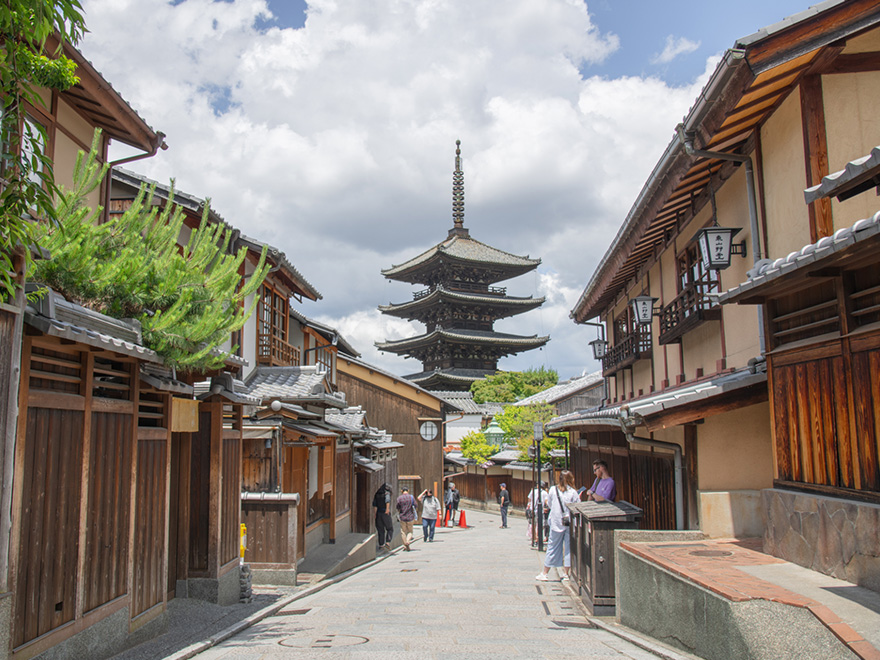
Known as the Yasaka Pagoda, this temple belongs to the Kennin-ji school of Rinzai Zen Buddhism. It is one of the oldest temples in Kyoto, and it is said to have been founded by Prince Shotoku.
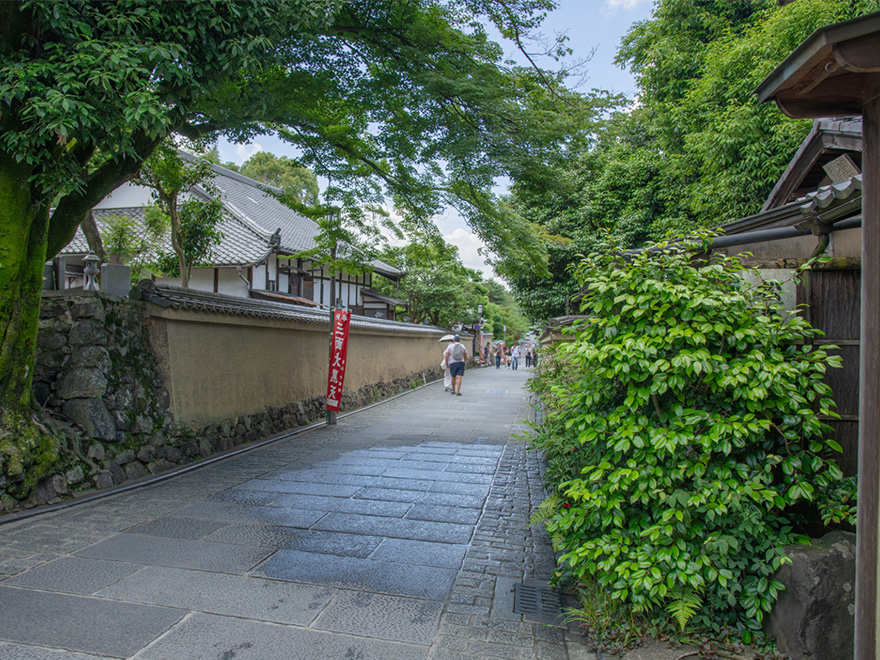
This is a beautiful 250-meter-long stone-paved path that extends from Maruyama Park in Higashiyama to the Kiyomizu-dera area. It is named "Nene-no-Michi" because Toyotomi Hideyoshi's wife, Nene (Kita-no-Mandokoro), spent her later years in this area.
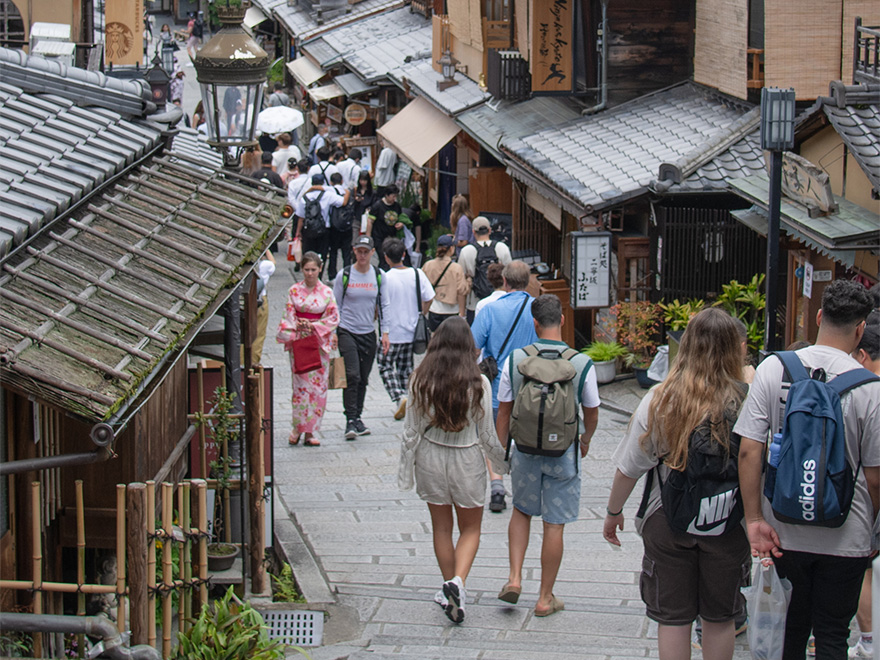
As a charming street that retains the atmosphere of the Taisho era, it is also a popular photo spot. It is known for being the area where the painter and poet Takehisa Yumeji once lived.
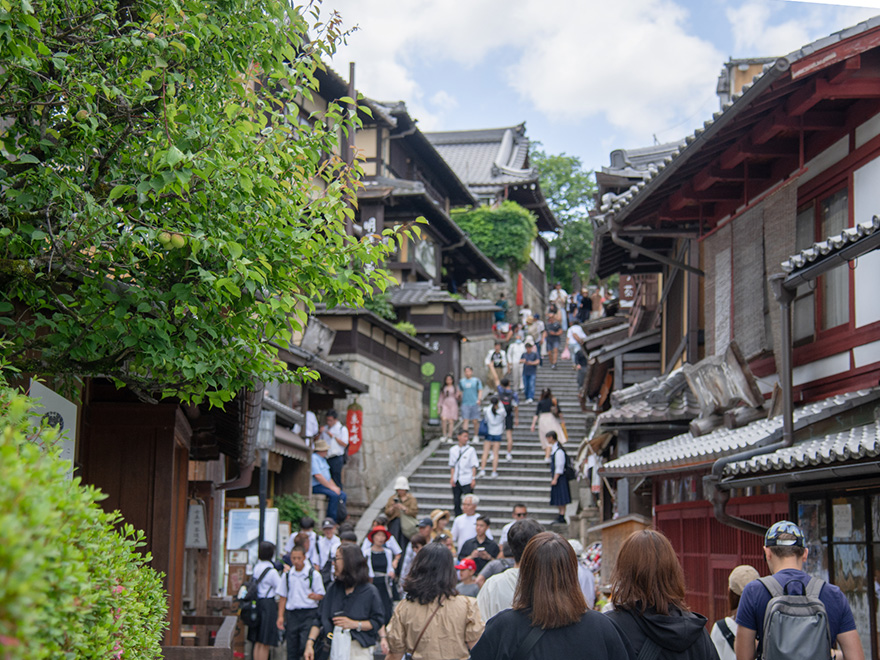
This is part of the path that leads from Kiyomizu-dera to Yasaka Shrine, featuring a charming landscape with stone pavements and traditional townhouses. The name is said to originate from pregnant women praying for a safe delivery when visiting Kiyomizu-dera. It is also a popular tourist destination where you can enjoy the scenery of each season.
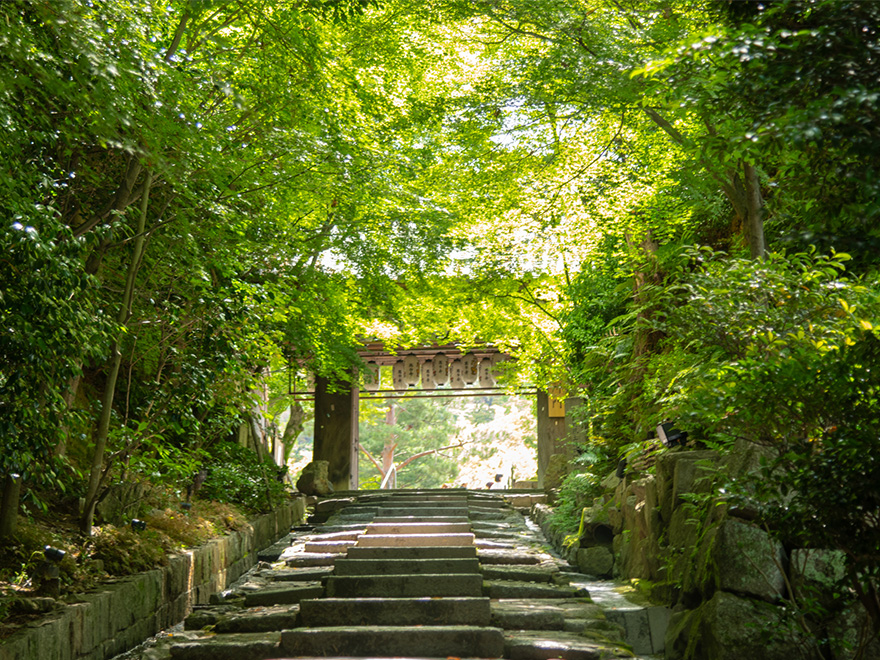
In 1606 (Keicho 11), Nene (Kita-no-Mandokoro), the wife of Toyotomi Hideyoshi, founded this temple to honor Hideyoshi's memory. The lacquerware (makie) adorning the altar and the miniature shrine housing Hideyoshi's seated statue in the inner sanctum of the mausoleum is famous as "Kodaiji Makie."
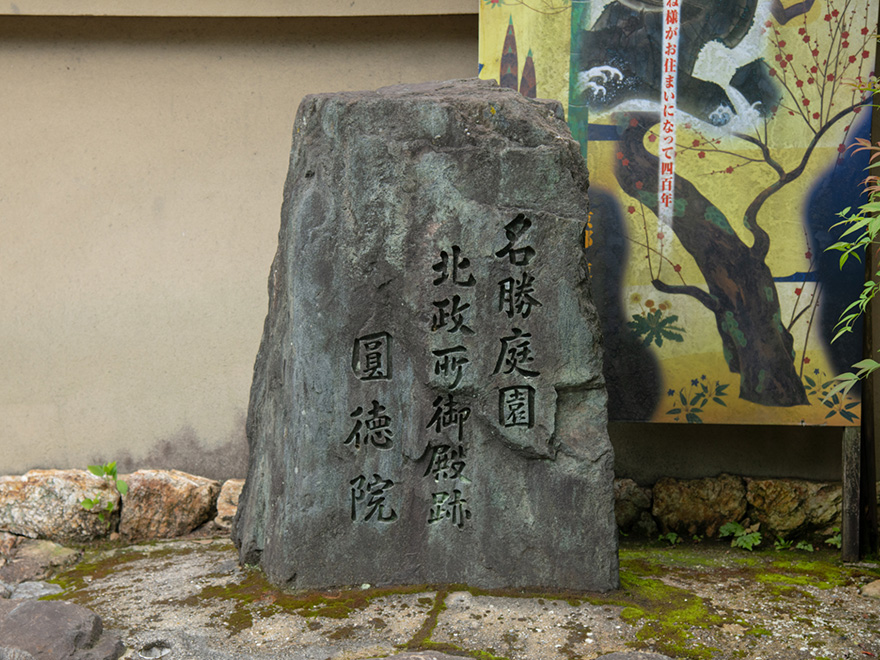
There is a beautiful karesansui (dry landscape) garden and a pond-strolling garden, which particularly captivate visitors during the autumn foliage season. Another highlight is the "Kita-no-Mandokoro Shoin," which is designated as an Important Cultural Property.